Why DIY Pressure Washing Goes Wrong in Phoenix (And How Pros Fix It)
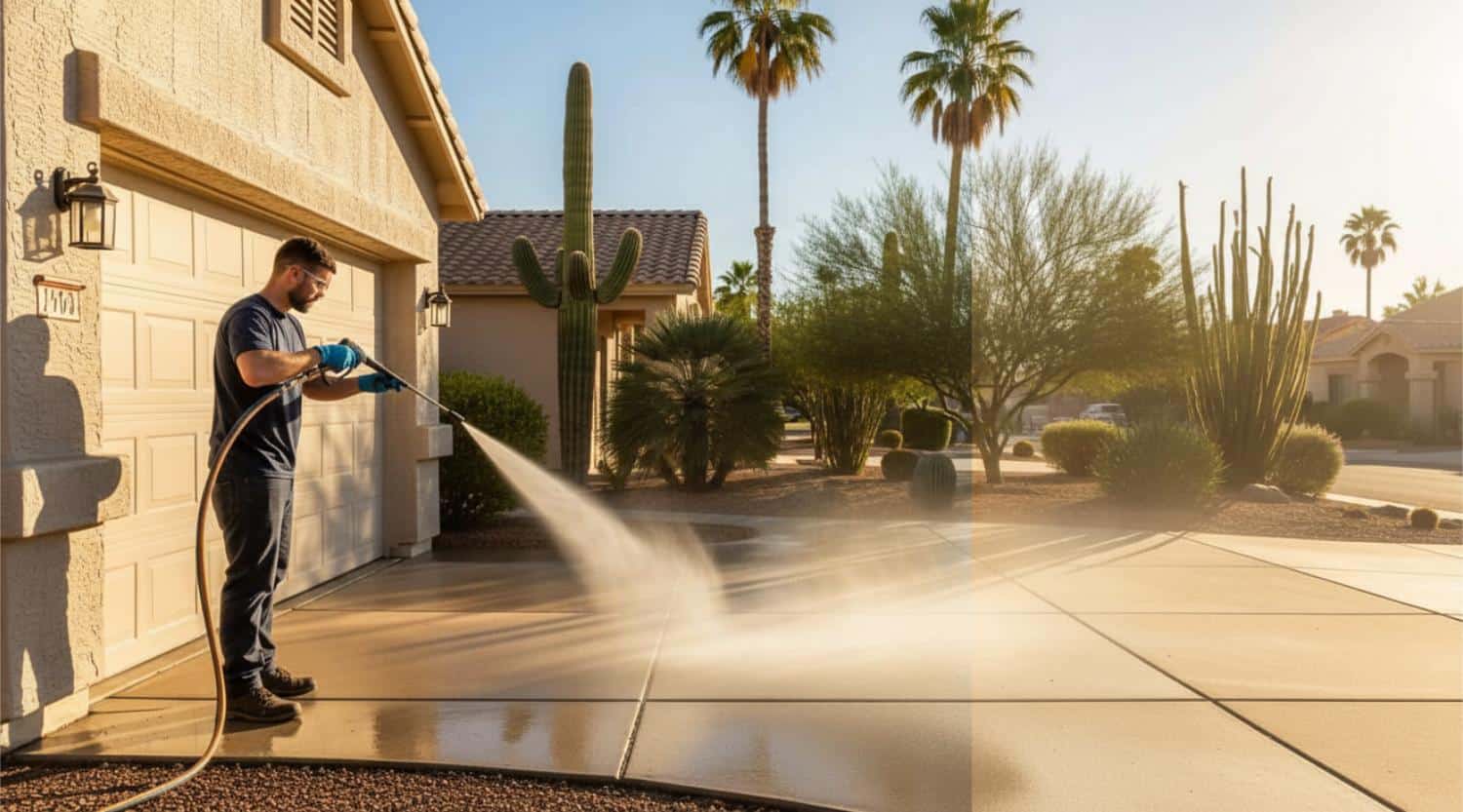
There is a certain satisfaction in watching grime blast away from a driveway, revealing fresh concrete underneath. However, for Phoenix homeowners, DIY pressure washing is rarely as simple as renting a machine and pulling the trigger. The unique desert environment presents challenges that standard instruction manuals don’t cover. Between the intense UV rays baking stains into porous stucco and the monsoons redistributing fine dust, the margin for error is slim.
Many homeowners unintentionally cause thousands of dollars in damage attempting to clean their properties. Common pressure washing mistakes range from etching permanent lines into concrete to stripping the paint right off a facade. In Phoenix, where hard water is the norm, using the wrong technique can even leave calcium deposits that are harder to remove than the original dirt.
At Clean Surface Pressure Washing, we often step in to fix these well-intentioned errors. We utilize eco-friendly, low-pressure soft washing techniques that clean effectively without the risk of high-pressure damage. Before you head to the rental store, consider the specific risks associated with cleaning in our climate:
- Sun-Baked Grime: Dirt in Phoenix isn’t just sitting on the surface, it is often baked in by 110-degree heat, requiring specific chemistry, not just water force, to remove.
- Hard Water Residue: If you let tap water dry on your windows or siding in the Arizona sun, you will be left with mineral spots that require acid washing to fix.
- Delicate Surfaces: Stucco, a primary building material in the Valley, is easily crumbled by high-PSI equipment.
Mistake #1: Cranking Up the Pressure Too High
The most common of all pressure washing mistakes is assuming that higher pressure equals a deeper clean. Most residential pressure washers can output between 2,000 and 3,000 PSI (Pounds per Square Inch). While that power is necessary for stripping old paint from a metal deck, it is destructive to the materials commonly found on Phoenix homes.
Modern tract homes in the area often feature stucco siding. Stucco is porous and relatively soft. If you hit it with high pressure (anything over 1,500 PSI), you risk blasting off the textured finish or forcing water behind the moisture barrier, leading to mold growth inside your walls. Similarly, concrete driveways can be “etched” by high pressure, leaving visible wand marks that ruin the curb appeal permanently.
Mistake #2: Skipping or Misusing Cleaning Solutions
Many DIY enthusiasts believe water alone is enough to clean a surface. In the desert, this is a major misconception. Water generally just pushes dirt around. To actually remove organic growth, oil stains, or compacted desert dust, you need the right cleaning agents.
Using the wrong chemicals is equally dangerous. Harsh bleaches can kill your desert landscaping—succulents and palms are sensitive to chemical runoff. Furthermore, using acidic cleaners on concrete without proper neutralization can corrode the surface. At Clean Surface Pressure Washing, we use pH-neutral and specific commercial-grade soaps designed to tackle Phoenix hard water stains without harming your plants or your property’s foundation.
Mistake #3: Poor Prep and Wrong Cleaning Order
There is a logic to cleaning a house exterior, and getting it wrong means doubling your workload. A frequent error in DIY pressure washing is starting with the driveway before the house. If you clean the concrete first, then wash the siding, dirty water and dust from the house will run down and soil your freshly cleaned driveway.
In Phoenix, you must also account for the dust. If you don’t rinse your roof and siding first, the ambient dust will turn into mud as soon as water hits it. The correct order is always top-down: Roof (if necessary and safe), gutters, siding, and finally, flat surfaces like patios and driveways. Additionally, failing to cover outdoor furniture, electrical outlets, and delicate plants before starting is a recipe for disaster.
Mistake #4: Ignoring Safety in Phoenix Heat
Safety takes on a different meaning in Arizona. Beyond the standard risks of high-pressure injection injuries (where water pierces the skin), the environment poses severe threats. Attempting a massive cleaning project in mid-July without proper hydration or timing can lead to heat exhaustion or heat stroke rapidly.
Additionally, mixing water and electricity is always hazardous. Many homeowners forget to tape off exterior outlets or cover pool pumps. In a monsoon season, wind can blow spray into air conditioning units or electrical panels if you aren’t careful. Slips and falls are also common; wet concrete is slippery, and wet roof tiles are practically ice-skating rinks.
Mistake #5: Wrong Equipment for the Job
The electric pressure washer you bought at a big-box store might be fine for washing a car, but it often lacks the water flow (GPM or Gallons Per Minute) required to clean a large driveway effectively. This leads to the “zebra striping” effect, where streaks of dirt are left behind because the machine couldn’t maintain consistent cleaning power.
Furthermore, removing oil stains from a driveway usually requires hot water units, which most homeowners do not own. Cold water simply solidifies grease and oil, making it harder to move. Professionals use industrial-grade surface cleaners and hot water skids that ensure an even, deep clean that consumer-grade electric units cannot replicate.
The Cost of DIY Fails in Phoenix
One of the biggest pressure washing mistakes is focusing on the upfront cost of hiring a pro versus renting a machine, without factoring in the potential cost of damage. Repairing damage caused by improper washing is significantly more expensive than a service call.
| Damage Type | Cause | Est. Phoenix Repair Cost (2026) |
|---|---|---|
| Etched Concrete | Using a zero-degree nozzle or too much pressure. | $500 – $2,500 (Resurfacing) |
| Damaged Stucco | High pressure stripping texture. | $1,500 – $4,000 (Patch & Paint) |
| Broken Window Seals | Direct water spray breaking thermal seals. | $300 – $600 per window |
| Landscape Loss | Chemical burns on Saguaro or palms. | $200 – $1,000+ per plant |
Phoenix Value Add: Desert Climate Checklist
If you are determined to handle the job yourself, you must adapt your strategy to the Arizona climate. Follow this checklist to mitigate risks:
- Check the Temperature: Do not pressure wash if the ambient temperature is over 100°F. Flash drying chemicals can stain surfaces permanently.
- The Pre-Rinse Rule: In dusty areas, rinse the entire house with water first to remove loose dust layers before applying soap.
- Monsoon Awareness: Do not wash right before a dust storm; the wet surface will capture dust and turn your house into a mud-caked mess.
- Hydration: If you feel dizzy, stop. The reflection of the sun off wet concrete intensifies UV exposure.
- Sealant: After washing concrete or pavers, apply a UV-resistant sealer to protect against sun fading.
When to Ditch DIY and Call Phoenix Pros
While small jobs like rinsing off a patio chair or washing a garbage can are great DIY projects, larger structural cleaning is best left to experts. You should consider calling Clean Surface Pressure Washing if:
- Your home is two stories or higher (ladder work with a pressure washer is extremely dangerous).
- You have extensive oil stains on the driveway (requires hot water).
- Your home has oxidized siding (chalky residue) or fragile stucco.
- You are prepping a home for sale and need flawless curb appeal without the risk of damage.
Quick Troubleshooting Table for Common DIY Errors
Already started and running into trouble? Here is how to fix common issues.
| Issue | Likely Cause | The Fix |
|---|---|---|
| Stripes on driveway | Using a wand instead of a surface cleaner. | Rent a surface cleaner attachment or call a pro to blend it. |
| White haze on brick | Efflorescence (salt deposits) brought out by water. | Apply a specialized efflorescence remover (do not use more pressure). |
| Fuzzy wood deck | Pressure was too high, damaging wood fibers. | Let it dry, sand the wood smooth, and re-stain/seal. |
Have questions about a specific stain or worried about delicate stucco? Give us a call at Clean Surface Pressure Washing and we can walk you through the best approach.
Frequently Asked Questions
Can I pressure wash my stucco house?
Yes, but you must be extremely careful. We recommend “soft washing” rather than standard pressure washing. Soft washing uses low pressure (similar to a garden hose) and specialized detergents to lift dirt without damaging the textured finish of the stucco.
What is the best time of year to pressure wash in Phoenix?
Spring (March-April) and Late Autumn (October-November) are ideal. This avoids the extreme heat of summer and the unpredictable dust storms of the monsoon season. Cleaning in these windows ensures your home stays clean longer.
Will pressure washing remove oil stains from my driveway?
Cold water pressure washers found at rental stores struggle with oil. They might push the oil deeper into the concrete pores. To effectively remove oil, you typically need a degreasing agent combined with hot water pressure washing.
Is it safe to pressure wash windows?
High pressure should never be applied directly to windows, especially in older homes with single-pane glass or failing seals. It can shatter the glass or force water between the panes, permanently fogging them.